


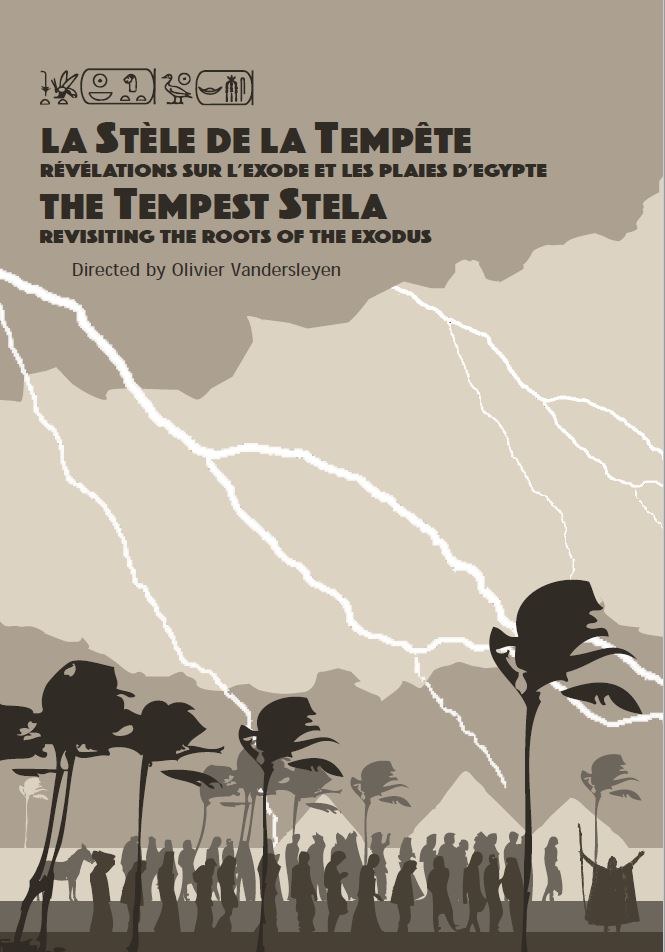
Is the Book of Exodus based on real events? 3500 years ago, a huge volcanic eruption destroyed half the island of Santorini. That global catastrophe was possibly the cause of the Plagues of Egypt; they are mentioned on a mysterious inscription on a stone stela translated 50 years ago by Egyptologist Claude Vandersleyen. This is the starting point of a fascinating investigation which sheds new light on the history of Egypt in the time of the Pharaohs, as well as upon parts of the Old Testament.
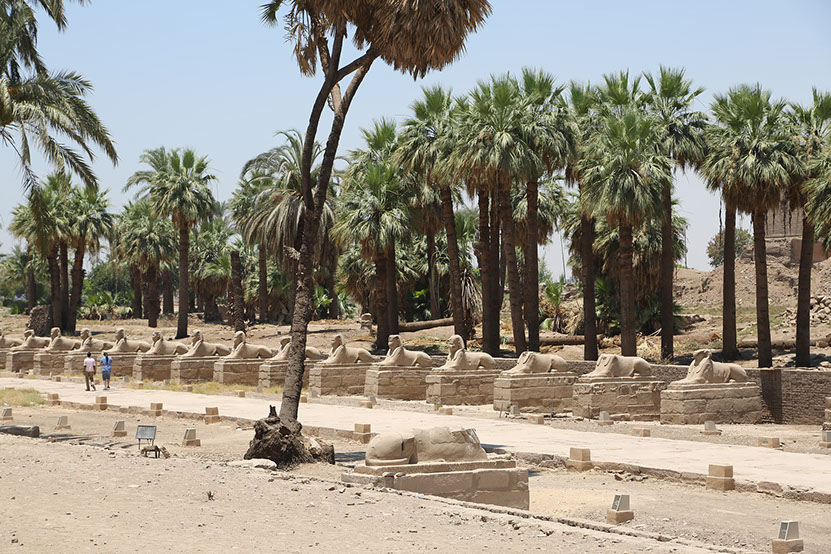
50 years ago, the Belgian Egyptologist Claude Vandersleyen translated a stela found just after the end of World War II at Karnak, near Luxor in Egypt. It had been commissioned by Pharaoh Ahmose, and describes a terrible storm in Egypt which calls clearly to mind the Plagues of Egypt as described in the Book of Exodus. In 2014, research at the University of Chicago confirmed a link between the Tempest Stela and the catastrophic eruption of Thera, the volcano on Santorini which destroyed half the island 3500 years ago. The eruption caused long-term damage to the climate world-wide, but hit the south eastern Mediterranean most hard. Did the disaster lead to the mass departure of an entire people? If the eruption could be accurately dated, this might make it possible to pin a date upon Exodus. Some of the most eminent experts in the relevant fields (climatology, geology, vulcanology, dendrochronology, Egyptology, archaeology and theology) are asked to give their views. As we listen to what they have to say, and learn of recent discoveries and scientific analyses, our perception of one the most dramatic events described in the Bible will evolve.